
Blog & Resources
Explore fabric science, manufacturing tips, and trends to grow your apparel brand.
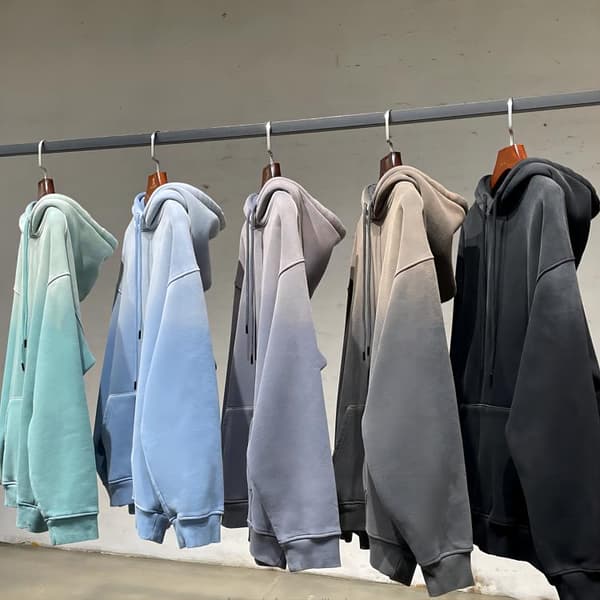
How Much Does It Cost to Manufacture a Premium Hoodie in China?
Premium hoodie cost in China: GSM, MOQ, fabric & production guide.
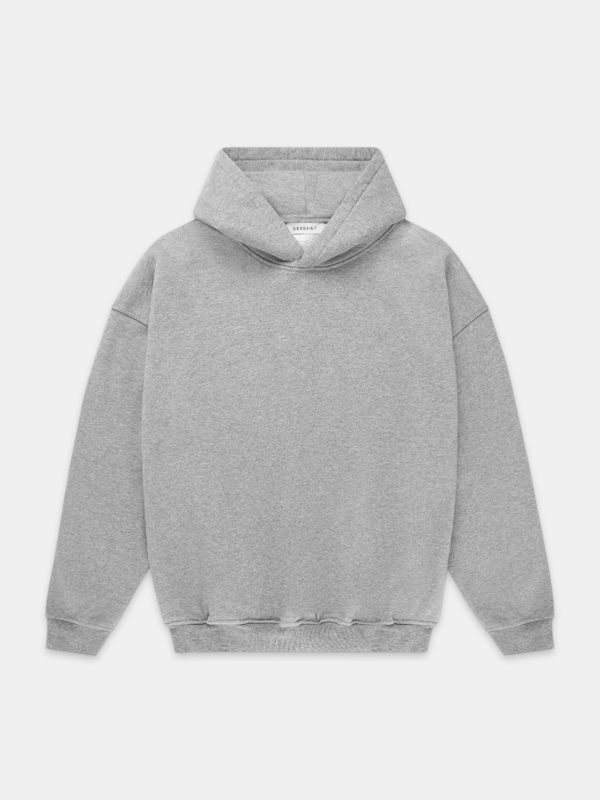
Inside the Development of a 450 GSM Premium Oversized Hoodie: From Concept to Production
450 GSM oversized hoodie development from design to production.
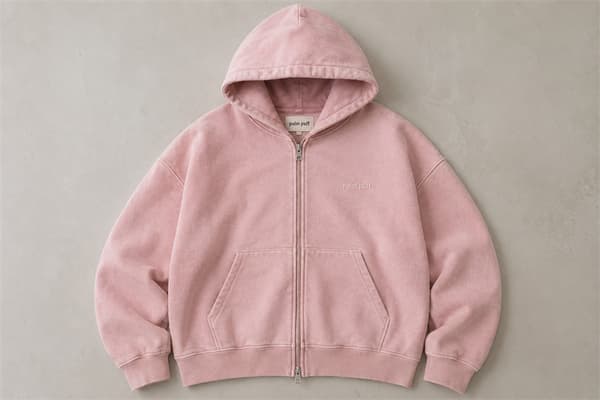
Premium Oversized Hoodie Manufacturing for Luxury Streetwear Brands
Learn how brands like Pink Palm Puff achieve premium oversized hoodies with consistent fit, fabric, and wash quality—and why most factories fail to match it.
15 Questions Every Brand Should Ask Before Choosing a Clothing Manufacturer
Learn 15 essential questions every brand ask before choosing a clothing manufacturer. Avoid production risks, improve quality control, and build scalable brand.
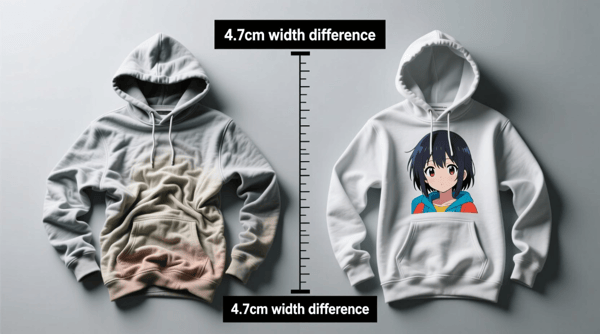
Solving Fit Instability in Oversized Hoodies: A Full Development Case Study
Developing stable oversized hoodie fits with precise pattern engineering and consistent bulk production for modern streetwear brands.

How Wholesale Streetwear Manufacturers Work: What Distributors Should Expect from a Reliable Factory
Wholesale streetwear manufacturing goes beyond bulk production. Learn how China factories work with distributors on quality, sourcing, MOQ, and supply chains.
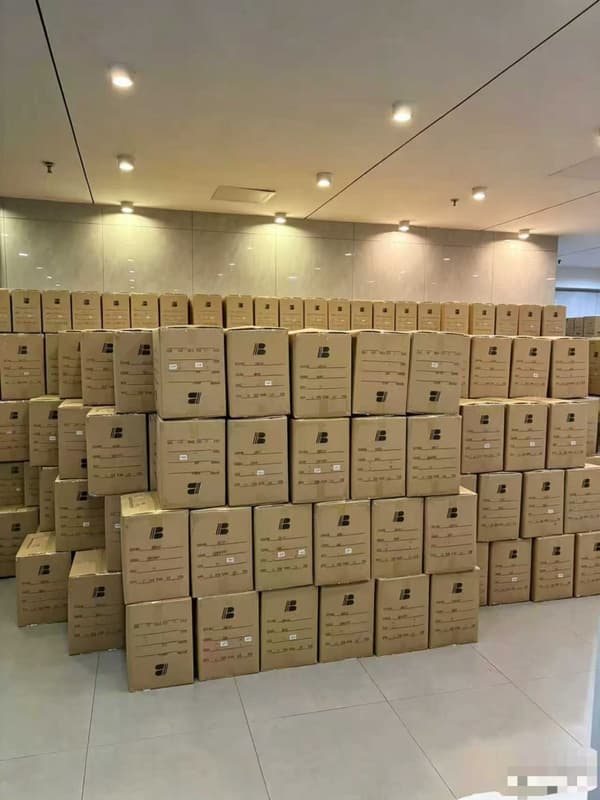
Wholesale Streetwear Manufacturing in China: MOQ, Pricing & Bulk Production System Explained for Brands & Distributors
Reliable wholesale streetwear manufacturer in China offering MOQ guidance, bulk pricing, and full production support for brands and distributors.
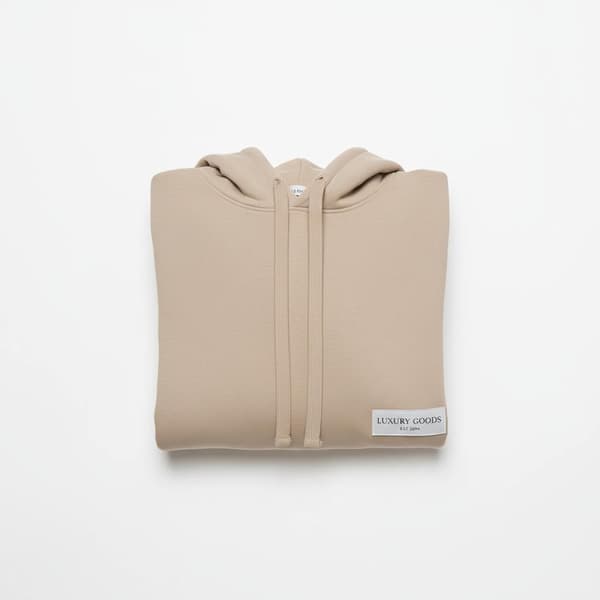
What Makes a Premium Heavyweight Hoodie?
Learn what makes a premium heavyweight hoodie, from GSM and fabric to fit and quality.
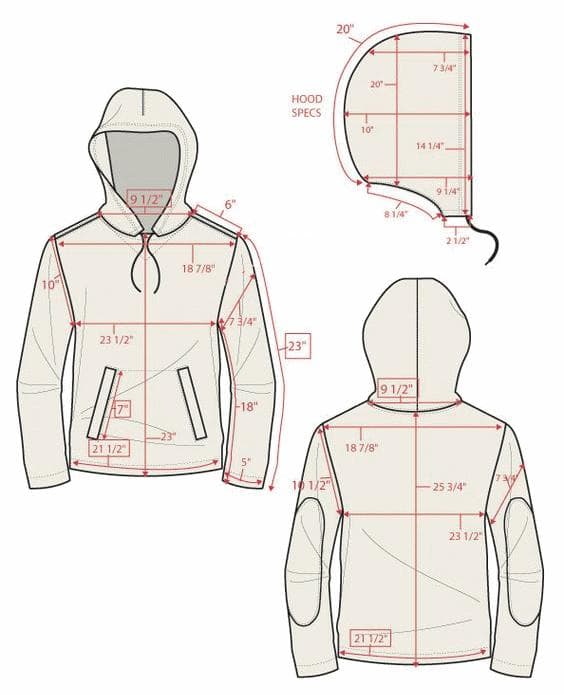
How to Start a Streetwear Brand in 2026: Complete Manufacturing Guide
Learn how to start a streetwear brand in 2026, from product development and fabric selection to sampling and bulk production.
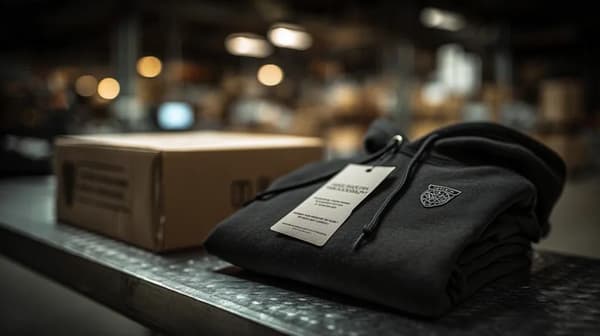
Alibaba vs Direct Factory: Which Is Better for Streetwear Brands?
Compare Alibaba suppliers and direct factories to find the best manufacturing solution for streetwear brands
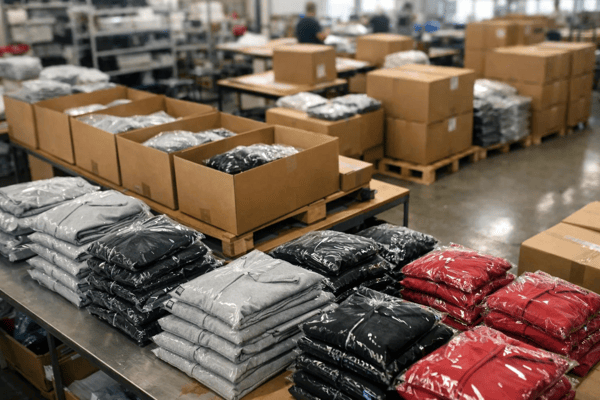
Problems Working with Alibaba Hoodie Suppliers (and Better Alternatives in China)
Problems with Alibaba hoodie suppliers? Learn better hoodie factory alternatives in China for stable production.
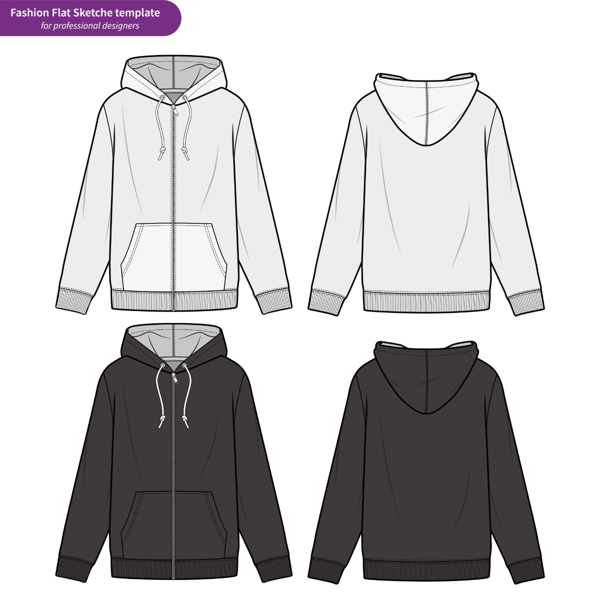
Streetwear Manufacturing Process Step-by-Step
Learn step-by-step streetwear manufacturing from design, fabric sourcing, sampling to production and QC in professional clothing factories.