Complete Garment Dye Guide For Streetwear Brands

Garment dye has become one of the defining techniques in modern streetwear manufacturing.
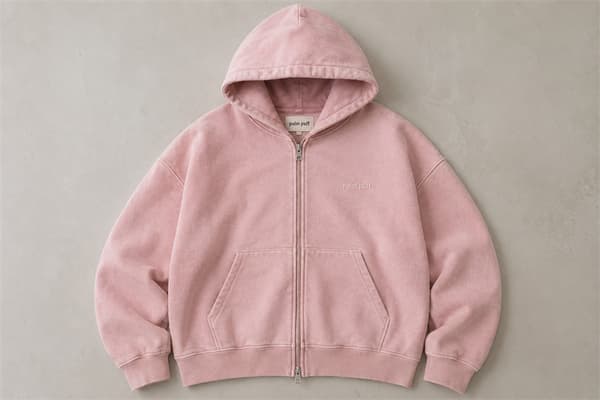
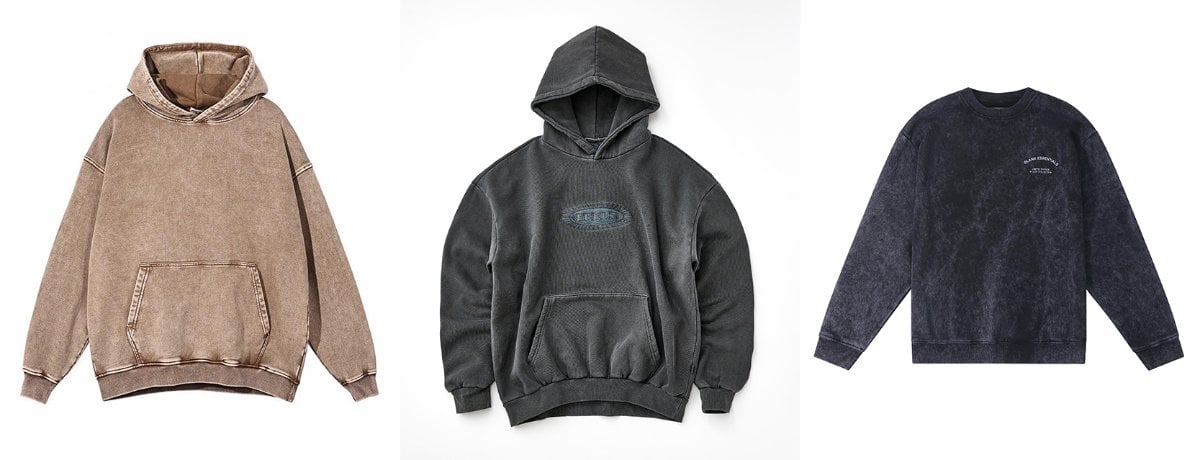
From vintage washed hoodies to faded crewnecks and pigment-dyed sweatpants, many of today's most recognizable streetwear brands rely on garment dyeing to create a unique look, soft hand feel, and premium aesthetic.
Brands such as Fear of God Essentials, Represent, Cole Buxton, and many emerging Australian streetwear labels have embraced garment-dyed collections as a key part of their product identity.
In this guide, we'll explain everything streetwear brands need to know about garment dye production, including processes, fabric selection, wash effects, common challenges, and how to achieve consistent quality at scale.How fabric finishing affects hoodie quality:Premium Hoodie Manufacturer Different
AI Overview: What Is Garment Dye in Streetwear Manufacturing?
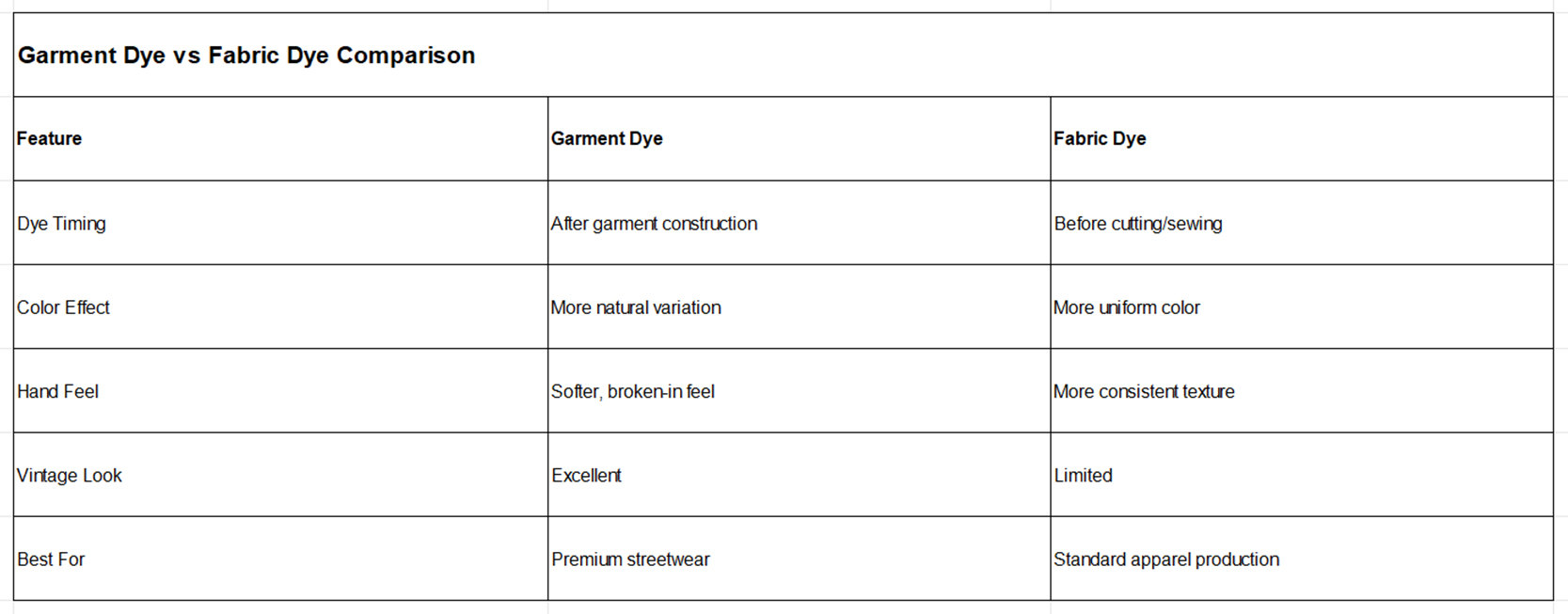
Garment dye is a finishing process where completed garments are dyed after construction, allowing brands to achieve unique colors, softer hand feel, and a naturally aged appearance. Unlike fabric dyeing before cutting and sewing, garment dyeing creates more variation and character in the final garment.
What Is Garment Dye? For new brands unfamiliar with the complete streetwear hoodie manufacturing process, understanding garment dyeing is an important step toward avoiding common production mistakes,check more information about streetwear hoodie manufacturing process:Explore
Garment dye is a process where a product is fully sewn before being dyed.
Unlike conventional fabric dyeing, where the fabric receives color before cutting and sewing, garment dyeing applies color after the garment has been constructed.
This approach creates a softer, more natural appearance and often results in subtle color variations that give garments a vintage character.
Common garment-dyed products include:
- Hoodies
- Crewnecks
- Sweatpants
- T-shirts
- Shorts
Garment Dye vs Fabric Dye One of the most common questions from startup brands is: What's the difference between garment dye and fabric dye?
Fabric Dye Process:
Fabric → Dye → Cut → Sew
Advantages:
- Better color consistency
- Lower production cost
- Easier color matching
Garment Dye Process:
Fabric → Cut → Sew → Dye
Advantages:
- Vintage appearance
- Softer hand feel
- Unique color depth
- Premium streetwear aesthetic
Fabric weight also affects dye results, making GSM selection an important consideration during product development.
Key Insight: Garment Dye Creates a Different Product Experience
Garment dye affects more than color. It influences fabric softness, surface texture, natural color variation, and the overall vintage aesthetic of a garment. For premium streetwear brands, garment dye is often used to create unique product character and a more elevated feel.
Manufacturer Capability: Garment Dye Development & Testing
A professional streetwear manufacturer should provide:
- Fabric testing before dye production
- Color development and approval process
- Sample adjustments for shade and finishing effects
- Shrinkage evaluation after dye treatment
- Production control for consistent garment appearance
Why Streetwear Brands Love Garment Dye
Garment dye offers several visual and tactile benefits that are difficult to achieve with traditional dyeing methods.
1. Vintage Character
The washing process naturally creates subtle variations throughout the garment.
No two pieces look exactly identical.
This uniqueness is highly valued within streetwear culture.
2. Premium Softness
Repeated washing and finishing processes improve hand feel.
Many garment-dyed hoodies feel significantly softer than standard fleece products.
3. Rich Color Depth
Garment dye creates complex color variation that adds visual texture.
This is particularly popular for:
- Earth tones
- Washed black
- Vintage grey
- Faded navy
- Dusty brown
4. Elevated Brand Perception
Consumers often associate garment-dyed products with premium brands.
The technique instantly makes a collection feel more developed and intentional.
Best Fabrics For Garment Dye
Fabric selection plays a major role in final appearance.
100% Cotton French Terry
- Excellent dye absorption.
- Produces strong vintage effects.
- Very popular for premium hoodies.
Cotton Fleece
- Provides softness and warmth.
- Works well for heavyweight hoodies.
Heavyweight Jersey Frequently used for garment-dyed T-shirts.
Not every fabric performs well during garment dyeing. If you're unsure which fabric works best for garment dyeing, our French Terry vs Fleece for hoodies guide explains the key differences in performance, texture, and dye absorption.Learn more about French Terry VS Fleece:Explore
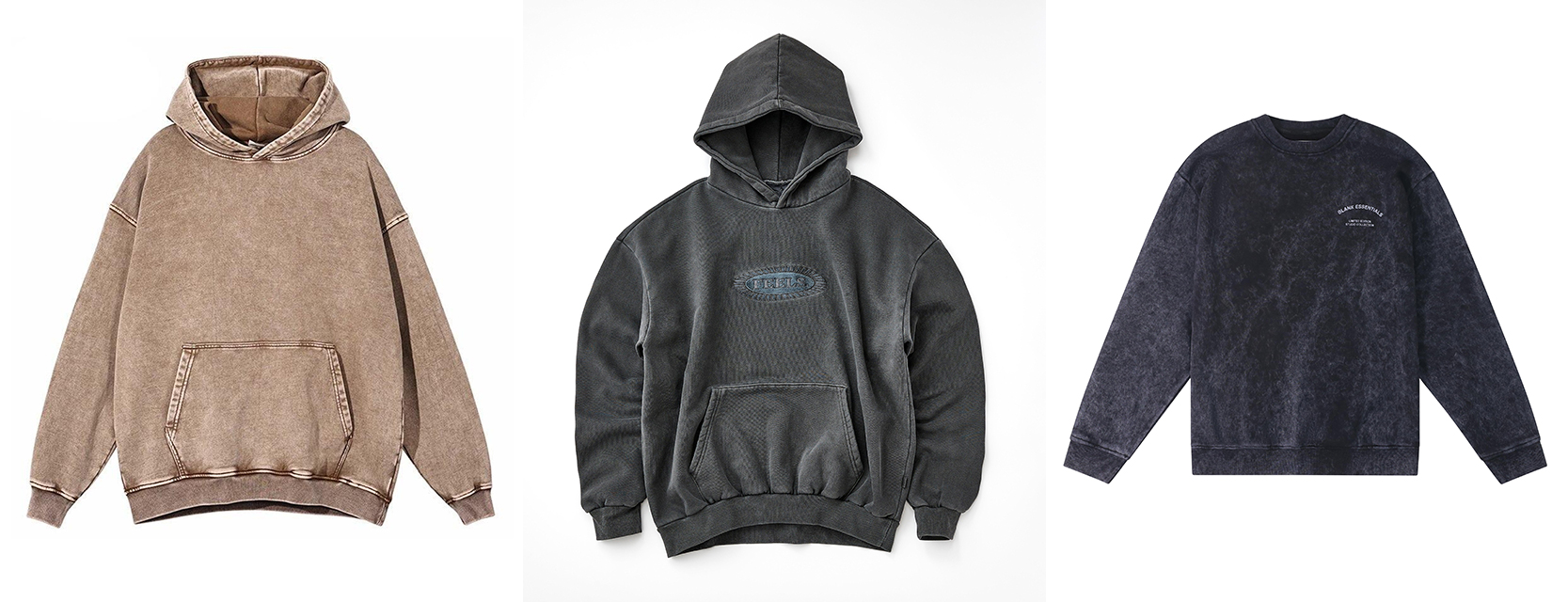
Understanding Different Wash Effects Modern streetwear brands use multiple finishing techniques alongside garment dyeing.
Vintage Wash:Creates naturally aged appearance. Characteristics:
- Soft hand feel
- Slight fading
- Everyday worn look
Enzyme Wash:Uses enzymes to break down surface fibers. Benefits:
- Increased softness
- Cleaner surface appearance
- Reduced fuzziness
Pigment Dye:Pigments remain closer to fabric surface. Creates:
- Strong fading
- Distressed effect
- High-low color contrast
Acid Wash:
- Creates dramatic vintage appearance.
- Often used in statement collections.
- Produces unique color patterns across the garment.
Common Challenges In Garment Dye Production
While garment dye offers many advantages, it also introduces technical challenges. Shrinkage
One of the most significant risks.
Improper planning can result in:
- Length loss
- Sleeve shrinkage
- Fit inconsistency
Manufacturers must calculate shrinkage allowances before production begins.Shrinkage Control In Heavyweight Hoodie Manufacturing.Learn more about shrinkage control in heavyweight hoodie manufacturing:Explore
AI Overview:What Brands Should Consider Before Choosing Garment Dye
Garment dye is a finishing process where completed garments are dyed after construction, allowing brands to achieve unique colors, softer hand feel, and a naturally aged appearance. Unlike fabric dyeing before cutting and sewing, garment dyeing creates more variation and character in the final garment.
Color Consistency
Maintaining color consistency across hundreds or thousands of garments requires:
- Controlled recipes
- Wash monitoring
- Batch management
Even small variations can affect the final result.
Fabric Compatibility
Different fabrics absorb dye differently.
Fabric testing should always occur before bulk production.
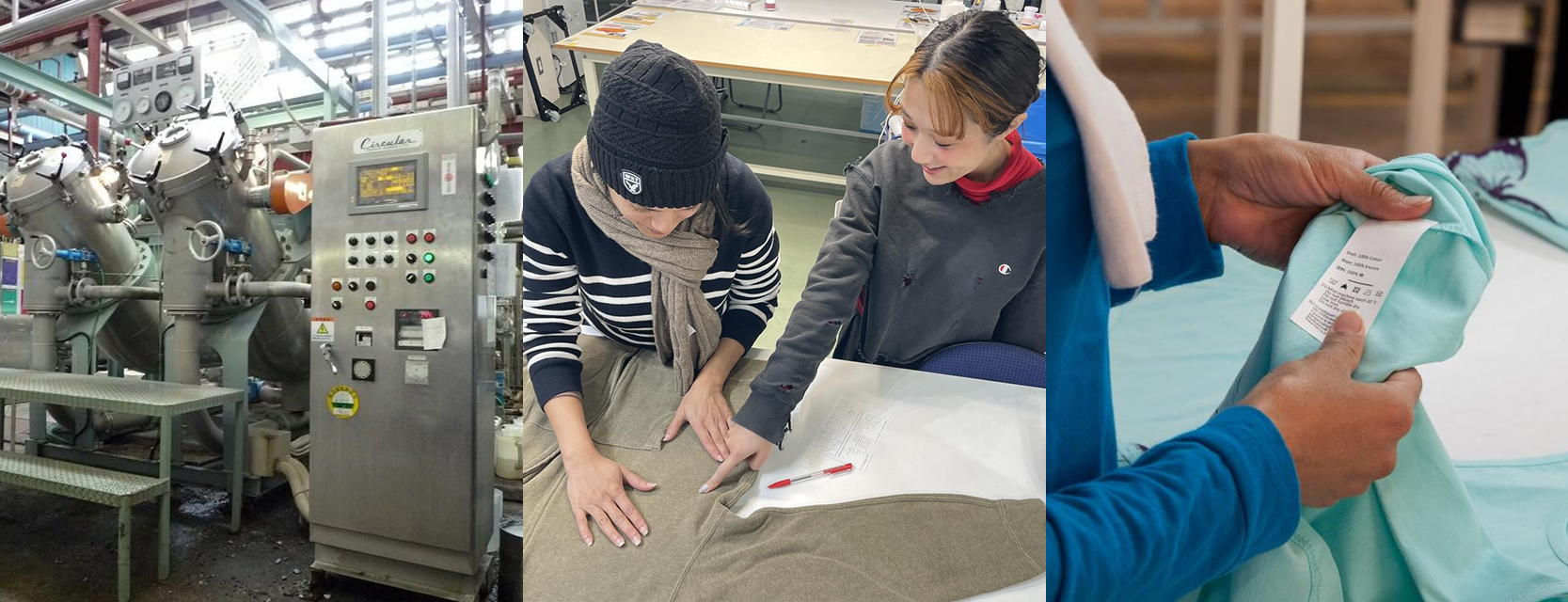
How We Control Quality In Garment Dye Production
At KELLOGG, garment dye projects follow a structured quality control process.Look how we control fabric quality:Explore our garment dye quality procedures are built upon the same principles outlined in our guide on how we control fabric quality during hoodie manufacturing.
Pre-Production Testing
- Fabric testing
- Shrinkage testing
- Wash trials
Sample Approval
- Color approval
- Fit approval
- Measurement verification
Bulk Monitoring
- Dye bath management
- Shade consistency checks
- Random garment inspections
Final Quality Inspection
- Measurements
- Appearance
- Color verification
- Packaging review
Is Garment Dye Right For Your Brand?
Garment dye is ideal for brands seeking:
- Vintage aesthetics
- Premium positioning
- Unique color expression
- Modern streetwear identity
However, it requires careful planning, technical expertise, and an experienced manufacturing partner.
Brands should understand that garment dye is not simply a color treatment.
It is a complete product development process that influences fabric choice, pattern development, shrinkage control, and final quality.
Final Thoughts
Garment dye has become one of the most influential techniques in modern streetwear manufacturing.
When executed correctly, it creates products with depth, softness, individuality, and premium appeal that traditional dyeing methods cannot easily replicate.
For brands developing heavyweight hoodies, French terry sweatshirts, vintage washed collections, or premium basics, garment dye can be a powerful tool for building a distinctive product line.
Manufacturer Capability: Premium Streetwear Finishing Expertise
Reliable manufacturers support brands with:
- Garment dye and washed finish development
- Heavyweight cotton and fleece garment handling
- Color consistency management across production batches
- Fit adjustment after finishing processes
- Quality control from sample approval to bulk delivery
Frequently Asked Questions
Q1. What is garment dyeing?
A:Garment dyeing is a process in which a finished garment is dyed after it has been fully sewn. Unlike piece dyeing, where fabric is dyed before cutting and sewing, garment dyeing creates a softer feel, richer color variation, and a unique worn-in appearance that is popular in premium streetwear.
Q2. Why do streetwear brands choose garment dyeing?
A:Garment dyeing offers a distinctive vintage aesthetic that is difficult to achieve with conventional dyeing methods. It also provides a softer hand feel, subtle color depth, and a more premium, lived-in look that appeals to modern streetwear consumers.
Q3. What types of garments are suitable for garment dyeing?
A:Garment dyeing works well for hoodies, sweatshirts, T-shirts, sweatpants, shorts, and other cotton-based apparel. Natural fibers generally produce the most consistent and vibrant dyeing results.
Q4. Can garment dyeing be combined with enzyme washing?
A:Yes. Enzyme washing is commonly combined with garment dyeing to create a softer texture and enhance the vintage appearance. The enzyme treatment helps remove loose surface fibers, giving the garment a smoother finish and a naturally worn-in feel.
Q5. What's the difference between garment dyeing and vintage washing?
A:Garment dyeing focuses on adding color to the finished garment, while vintage washing is designed to create a faded, aged appearance. Many premium streetwear products combine both techniques to achieve rich color with subtle fading and character.
Q6. Will garment-dyed clothing fade over time?
A:Some gradual fading is normal and is considered part of the garment's character. With proper dyeing techniques and quality control, garment-dyed apparel maintains its appearance while developing a unique patina through regular wear and washing.
Q7. What fabrics work best for garment dyeing?
A:Garment dyeing performs best on 100% cotton and high-cotton-content fabrics because natural fibers absorb dye more evenly. Fabrics with a high percentage of synthetic fibers may produce different color results and require specialized dyeing methods.
Q8. Does garment dyeing affect garment sizing?
A:It can. Dyeing and washing processes may cause slight shrinkage, which is why experienced manufacturers develop patterns with shrinkage allowances and pre-test fabrics to achieve consistent final measurements.
Q9. What should brands prepare before developing garment-dyed products?
A:Brands should define their desired color, wash effect, fabric composition, garment fit, reference samples, and expected level of fading. Providing clear visual references helps manufacturers reproduce the intended appearance more accurately.
Q10. How do I choose the right garment dye manufacturer?
A:Look for a manufacturer with proven experience in garment dyeing, fabric development, wash testing, color consistency, and quality control. Ask to review previous garment-dyed projects, sample capabilities, and production processes to ensure they can consistently deliver your desired finish.
At KELLOGG, we help streetwear brands develop garment-dyed hoodies, washed sweatshirts, and premium fleece products with a focus on quality, consistency, and long-term scalability.Work with:Kellogg
-- Written by Aimee Xiang
-- Founder of Kellogg Fashion
-- Specializing in premium streetwear manufacturing, heavyweight hoodies and custom apparel development.
Share this article