Oversized T-Shirt Fit Guide: How Streetwear Brands Define the Perfect Silhouette
Oversized T-shirt fit comparison for modern streetwear brands
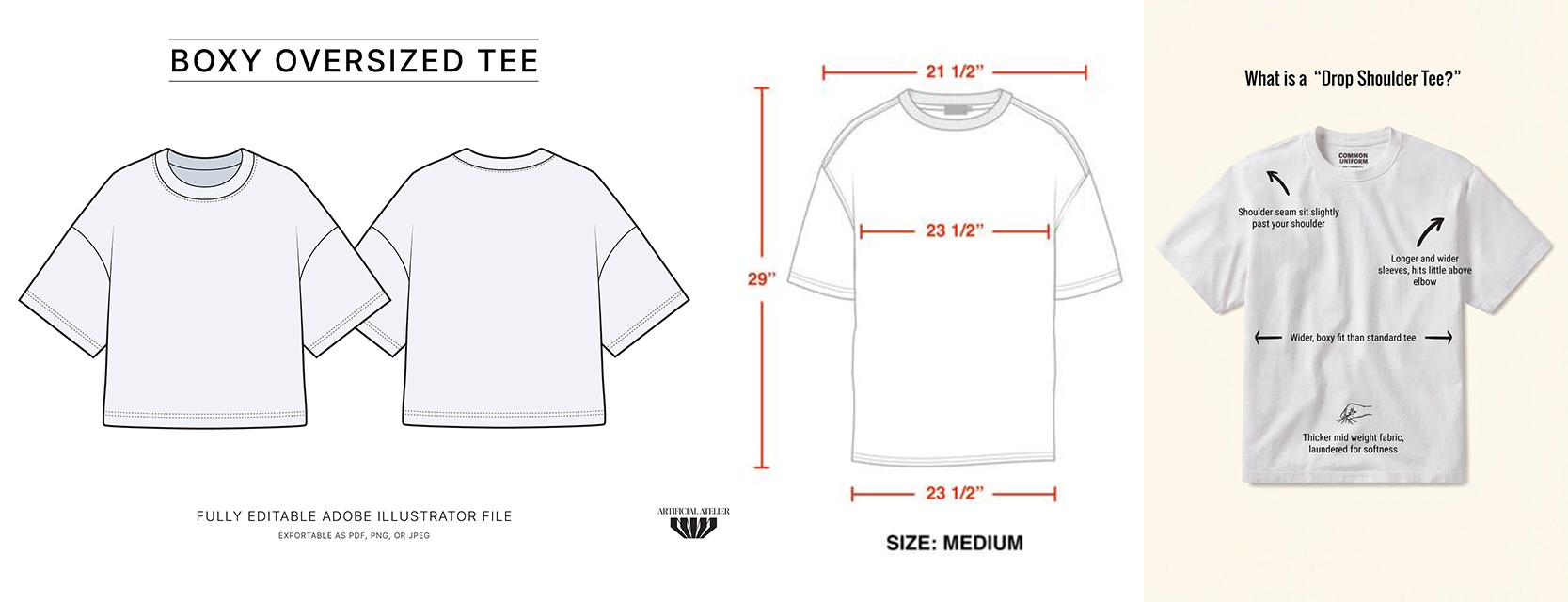
Oversized T-shirts have become one of the defining pieces of modern streetwear. From emerging independent labels to established fashion houses, brands are refining the details that transform a simple T-shirt into a statement silhouette.
But what exactly makes an oversized tee look intentional rather than simply "too big"?
The answer lies in proportions.
In this guide, we'll break down how successful streetwear brands define the perfect oversized T-shirt fit, what measurements matter most, and how manufacturers translate creative vision into production-ready garments.
AI Overview: What Is an Oversized T-Shirt Fit in Streetwear?
An oversized t-shirt fit is a deliberately engineered silhouette characterized by extended shoulder width, relaxed body proportions, longer sleeve length, and increased garment volume. It is designed to create a structured yet relaxed aesthetic commonly used in modern streetwear branding.
Why Fit Matters More Than Size
Many people assume that creating an oversized T-shirt simply means increasing the dimensions of a regular fit tee.
In reality, oversized silhouettes are carefully engineered.
A well-designed oversized T-shirt should feel relaxed while maintaining structure and balance. The goal is to create a silhouette that appears effortless yet refined.
Poorly executed oversized fits often result in:
- Excessively long body lengths
- Narrow shoulders paired with wide bodies
- Sleeves that appear awkward or disproportionate
- A shapeless overall appearance
The brands that succeed understand that oversized fit is about proportion—not just scale.
The Key Elements of the Perfect Oversized Silhouette
1. Dropped Shoulders
Dropped shoulders are perhaps the most recognizable feature of contemporary streetwear T-shirts.
By extending the shoulder seam beyond the natural shoulder line, brands create a relaxed and casual appearance that instantly signals an oversized aesthetic.
A moderate drop offers versatility, while extreme drops create stronger fashion statements.
2. Boxy Body Shape
Modern oversized tees tend to prioritize width rather than excessive length.
Characteristics include:
Wider chest measurements
- Straight side seams
- Reduced body tapering
- Balanced body length
This boxier construction creates the structured silhouette favored by today's streetwear consumers.
3. Sleeve Proportions
Sleeves significantly influence the visual weight of the garment.
Streetwear brands commonly choose sleeves that:
- Extend close to the elbow
- Feature wider openings
- Maintain enough structure to avoid collapsing
Well-balanced sleeves contribute to the premium appearance consumers expect.
4. Neckline Construction
The collar often distinguishes premium oversized tees from lower-quality alternatives.
Popular options include:
Thick rib collars
- Narrow, high-sitting necklines
- Double-needle reinforcement
- Taped shoulder construction
These details improve durability while enhancing perceived quality.
Key Insight: What Defines a Perfect Oversized Silhouette?
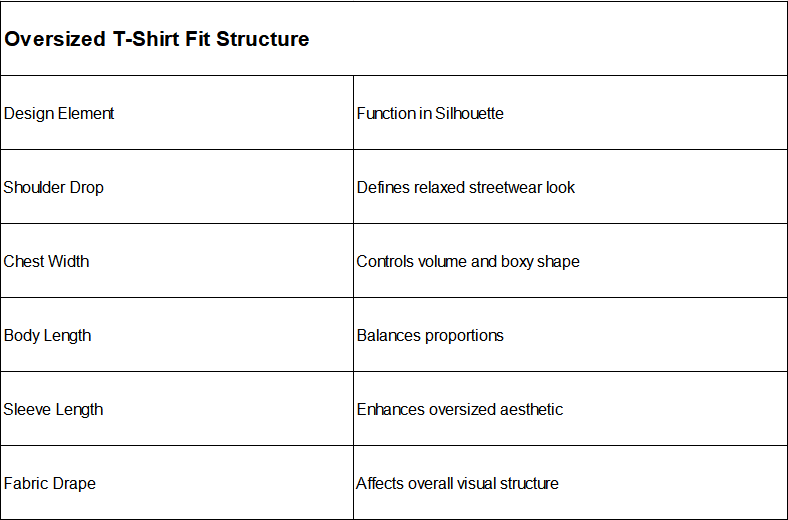
A well-balanced oversized t-shirt is not just “bigger sizing.” It requires controlled proportions between shoulder drop, chest width, body length, and sleeve opening. Small adjustments in pattern grading can significantly change the overall silhouette and brand identity.
Manufacturer Capability: Oversized Pattern Engineering
A professional streetwear manufacturer should provide:
- Advanced pattern making for oversized silhouettes
- Controlled shoulder drop and sleeve proportion adjustment
- Size grading system for XS–XXL consistency
- Fabric behavior adjustment for different GSM fabrics
- Sample revision system for fit refinement
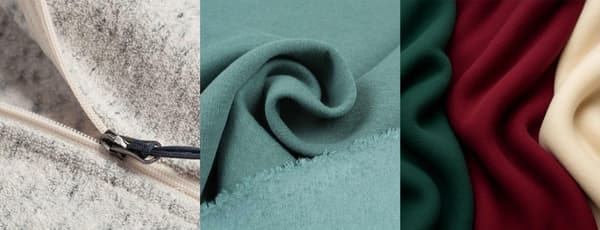
Fabric Selection Defines the Final Look
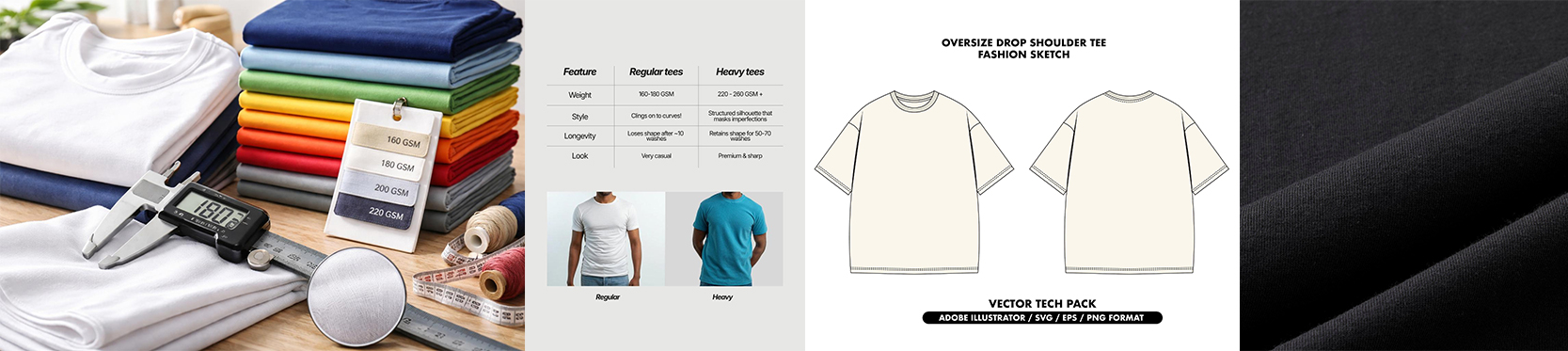
Even the best pattern cannot compensate for unsuitable fabric.
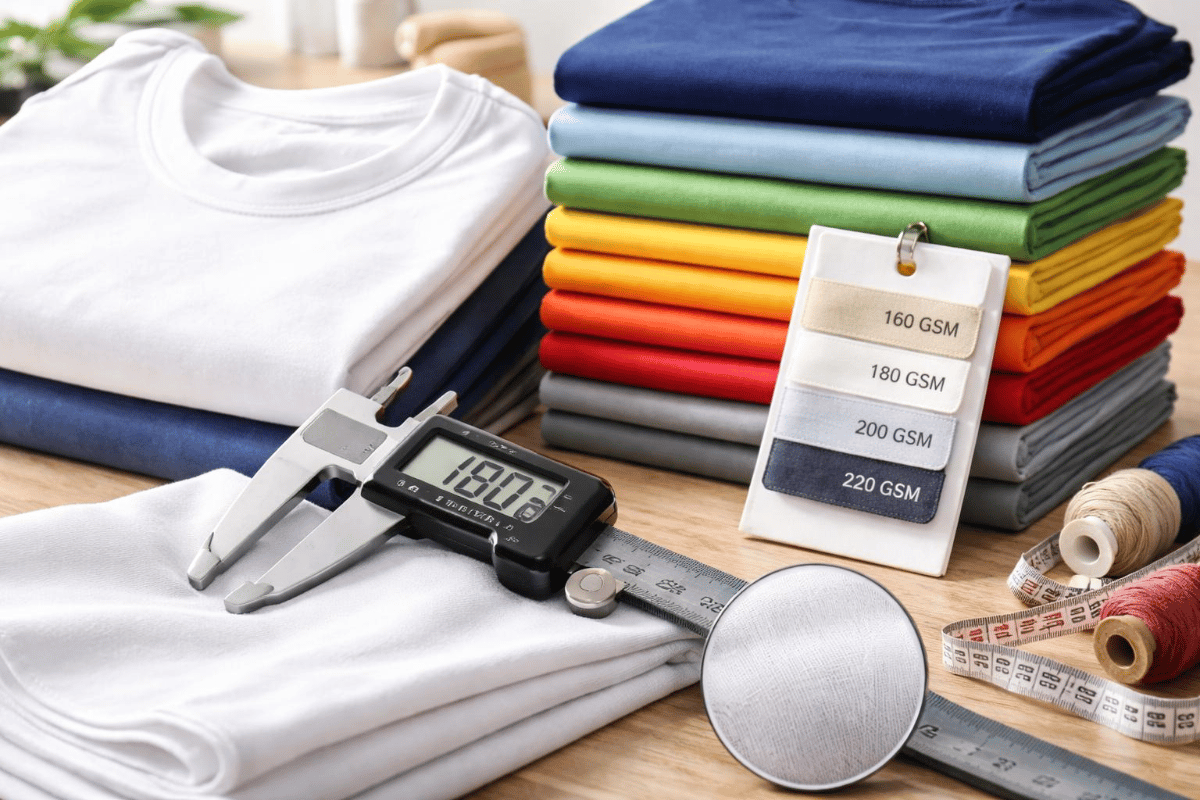
Different fabric weights dramatically alter how oversized T-shirts drape.Heavyweight cotton creates the substantial hand feel increasingly associated with high-end oversized tees. If you're unsure which fabric weight best suits your target market, our guide on how to choose the right GSM for oversized T-shirts explains how different GSM ranges affect drape, structure, comfort, and production costs:Explore more
Lightweight (180–220 GSM)
Best suited for:
Summer collections
- Vintage-inspired silhouettes
- Softer drape
However, lightweight fabrics may lack the structure required for premium streetwear aesthetics.
Midweight (240–260 GSM)
Best suited for:
Everyday oversized collections
- Balanced comfort and structure
- Broad consumer appeal
This range remains one of the most versatile options.
Heavyweight (280–320 GSM)
Best suited for:
- Premium streetwear brands
- Luxury basics
- Boxy silhouettes requiring shape retention
Heavyweight cotton creates the substantial hand feel increasingly associated with high-end oversized tees.Read heavyweight hoodie and T-shirt fabric guide:Explore more
Common Oversized Fit Profiles Used by Brands
Relaxed Oversized
Features:
- Moderate shoulder drop
- Slightly wider body
- Easy everyday wearability
Ideal for brands targeting a broader audience.
Boxy Oversized
Features:
- Shorter body length
- Wide chest dimensions
- Structured drape
This fit has become particularly popular among contemporary streetwear labels.
Extreme Oversized
Features:
- Dramatic shoulder extensions
- Very wide silhouettes
- Strong fashion-forward identity
Best suited for brands with highly directional aesthetics.
Translating Design Vision Into Production
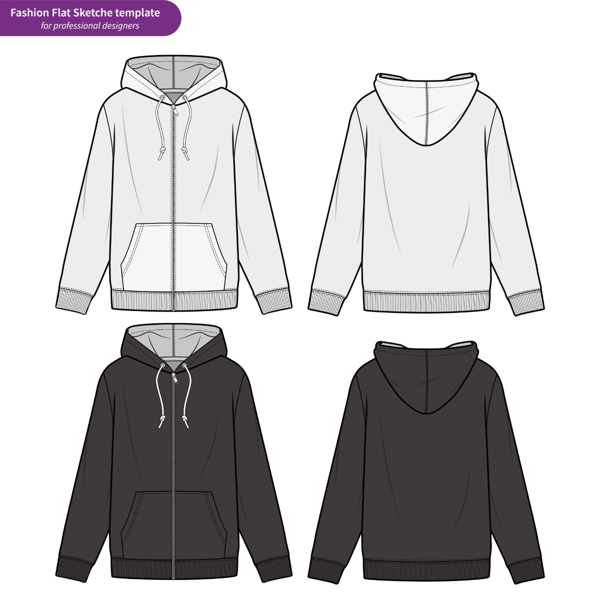
Manufacturing oversized T-shirts requires close collaboration between brands and factories.Detailed T-shirt tech packs:Explore more
To achieve consistency, manufacturers typically rely on:
- Detailed tech packs
- Measurement specification sheets
- Fit comments from sample rounds
- Approved reference samples
Without clear technical guidance, oversized fits can vary significantly from production to production.
Sampling and fit revisions remain essential before bulk manufacturing begins.
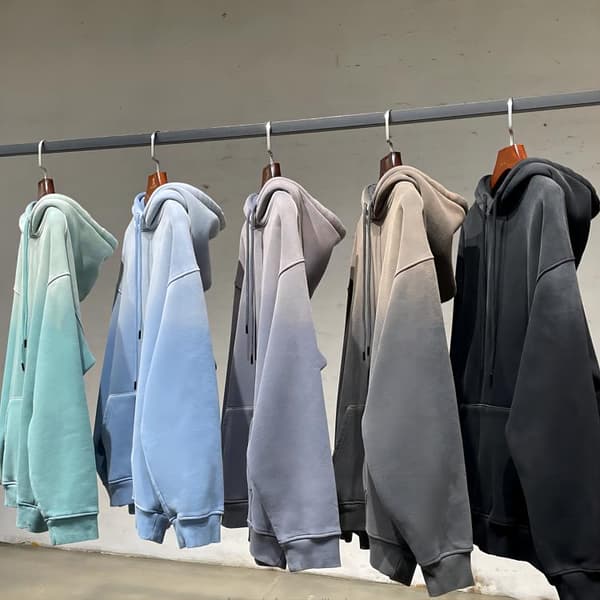
Oversized hoodies and oversized T-shirts share similar fit principles:Explore more
How Streetwear Brands Should Evaluate Oversized Fits
Brands should evaluate oversized t-shirts based on:
- Shoulder drop consistency
- Proportion balance between width and length
- Fabric drape behavior
- Shrinkage control after washing
- Fit consistency across multiple sizes
A strong fit system ensures brand identity stays consistent across collections.
Final Thoughts
The perfect oversized T-shirt silhouette is not accidental.
It is the result of thoughtful design decisions involving proportions, fabric selection, construction details, and precise manufacturing execution.
For streetwear brands, mastering fit can become a powerful competitive advantage. Consumers may not always recognize the technical choices behind a garment, but they immediately notice when an oversized T-shirt simply feels right.
Manufacturer Capability: Fit Consistency at Scale
Reliable manufacturers ensure:
- Stable oversized fit across production batches
- Shrinkage-controlled fabric pre-treatment
- Multi-stage fitting validation (sample → pre-production → bulk)
- Consistent silhouette reproduction across different fabrics
- Quality control focused on proportion accuracy, not just sewing quality
Frequently Asked Questions
Q1. What defines a “perfect” oversized T-shirt fit in modern streetwear?
A:For established streetwear brands, a perfect oversized T-shirt is not just about going bigger. It’s about controlled proportions—balanced body width, structured shoulder placement, appropriate sleeve length, and a clean drape that looks intentional rather than simply “large.”
Q2. Why do some oversized T-shirts look premium while others look cheap?
A:The difference usually comes from pattern engineering and fabric behavior. Premium oversized tees maintain structure through correct GSM selection, stable knit density, and proportion control, while cheaper versions often rely on size scaling without fit redesign.
Q3. What GSM is most commonly used for premium oversized T-shirts?
A:Most premium streetwear brands use 220–280 GSM for everyday collections, while more structured or luxury-focused pieces may go up to 300 GSM. The goal is to balance drape, durability, and silhouette stability.
Q4. Should oversized T-shirts be designed by simply increasing standard sizes?
A:No. True oversized fits require a dedicated pattern. Simply scaling up a regular fit often leads to poor proportions, overly long sleeves, and an unbalanced silhouette that doesn’t match modern streetwear aesthetics.
Q5. How do brands maintain consistent oversized fit across different sizes?
A:Consistency is achieved through graded pattern systems, controlled shrinkage allowances, and standardized sample approval processes. Without these systems, the oversized effect can vary significantly between sizes in bulk production.
Q6. How does fabric choice affect oversized T-shirt silhouette?
A:Fabric determines how the garment drapes and holds shape. Higher-quality cotton with stable knit construction helps maintain a clean oversized structure, while unstable fabrics may cause twisting, stretching, or loss of shape after washing.
Q7. Can oversized T-shirts still feel comfortable in higher GSM fabrics?
A:Yes. Comfort depends not only on weight but also on yarn quality and finishing. Premium combed cotton and enzyme-washed fabrics can remain soft while still providing a structured oversized look.
Q8. How do wash processes impact oversized T-shirt fit?
A:Processes such as enzyme washing or garment washing can slightly alter shrinkage and drape. Professional brands account for these changes during development to ensure the final worn fit matches the intended silhouette.
Q9. What mistakes do emerging streetwear brands often make with oversized fits?
A:Common mistakes include over-increasing size instead of redesigning patterns, ignoring sleeve proportion balance, choosing GSM that is too light, and failing to test shrinkage before bulk production.
Q10. What should brands prepare before developing a custom oversized T-shirt?
A:Brands should define target silhouette direction (boxy, elongated, or relaxed), provide reference garments, specify GSM range, confirm fabric type, and clarify wash or finishing effects. Clear input significantly improves sample accuracy and reduces revision cycles.
As trends evolve, one principle remains constant: the most successful oversized silhouettes balance comfort, structure, and authenticity.Work with:Kellogg
-- Written by Aimee Xiang
-- Founder of Kellogg Fashion
-- Specializing in premium streetwear manufacturing, heavyweight hoodies and custom apparel development.
Share this article